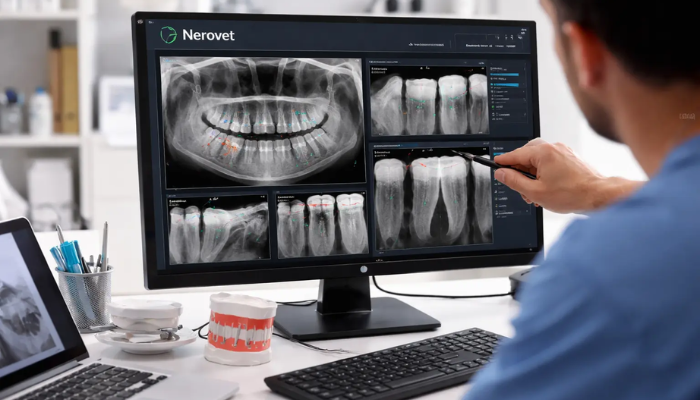
The dental industry is entering a new technological era, and the nerovet ai dentistry company is quickly becoming one of the most discussed names in AI-powered oral healthcare. Artificial intelligence is no longer limited to robotics or data science laboratories. Today, it is actively reshaping how dentists diagnose oral diseases, create treatment plans, communicate with patients, and improve clinic efficiency.
As dental clinics worldwide search for faster and more accurate diagnostic tools, companies like Nerovet are helping bridge the gap between traditional dentistry and intelligent healthcare systems. By integrating machine learning, imaging analysis, and predictive diagnostics, the nerovet ai dentistry company represents a growing trend toward data-driven dental care. Reports surrounding the company highlight its focus on AI-assisted dental imaging, early disease detection, and streamlined patient experiences.
This article explores the rise of Nerovet AI Dentistry, its technology, major features, benefits, challenges, and its potential impact on the future of dentistry. Whether you are a dental professional, healthcare investor, tech enthusiast, or patient curious about AI dentistry, this comprehensive guide explains why the nerovet ai dentistry company is attracting attention in 2026.
What Is Nerovet AI Dentistry Company?
The nerovet ai dentistry company is commonly described as an AI-powered dental technology platform that assists clinics and dental professionals in analyzing dental images and identifying oral health conditions. According to publicly available information, the company focuses heavily on artificial intelligence-driven diagnostics, image interpretation, and workflow automation.
Unlike traditional dental systems that rely entirely on manual image analysis, Nerovet reportedly uses deep learning algorithms trained on large datasets of dental X-rays and oral imaging scans. This enables the platform to identify patterns linked to periodontal disease, cavities, tooth fractures, bone loss, and other oral conditions. The AI system acts as an assistant rather than a replacement for dentists, helping clinicians make more informed decisions.
One interesting aspect of the nerovet ai dentistry company is its apparent connection to veterinary dental care. Several reports indicate that the platform originally focused on pet dentistry and AI-assisted oral diagnostics for animals before broader discussions began linking it with general dental AI innovation.
The growing popularity of AI dentistry stems from a global need for more efficient healthcare systems. Dentists today handle enormous amounts of diagnostic information, including radiographs, patient histories, treatment records, and imaging scans. AI platforms like Nerovet aim to simplify this process by reducing manual interpretation time while improving accuracy.
Another reason the nerovet ai dentistry company is gaining attention is its patient-friendly approach. Many AI dental tools generate visual reports that help patients better understand their oral conditions. Improved communication can increase patient trust, treatment acceptance, and long-term oral health awareness.
How Nerovet AI Dentistry Technology Works
The core strength of the nerovet ai dentistry company lies in its use of artificial intelligence and machine learning technologies. These technologies analyze dental data rapidly and identify abnormalities that might be difficult to detect through traditional observation alone.
The process generally begins when dental images such as panoramic X-rays, intraoral scans, or CBCT images are uploaded into the system. The AI platform then processes these images using computer vision algorithms trained on extensive datasets. Once analyzed, the system generates a report highlighting areas of concern, possible diagnoses, and suggested clinical insights.
Deep learning plays a major role in the platform’s capabilities. Deep learning models can recognize subtle image patterns that are often difficult for the human eye to identify consistently. Research in dental AI has shown that advanced vision models are becoming increasingly capable of identifying oral anomalies with impressive accuracy.
Another important feature is predictive analytics. The nerovet ai dentistry company reportedly focuses not only on detecting existing issues but also on identifying future risks. By analyzing patient history, imaging patterns, and oral health trends, AI systems may help dentists predict disease progression before symptoms worsen.
Automation is also a significant advantage. Traditional dental diagnostics can consume substantial clinical time, especially when handling complex imaging scans. AI-assisted systems reduce repetitive manual work and help dentists concentrate more on patient care. This efficiency is particularly valuable for large clinics and dental service organizations.
In addition, AI-powered reporting improves patient communication. Visual summaries and highlighted imaging results help patients understand why certain treatments are necessary. When patients clearly see evidence of dental problems, they are often more likely to proceed with recommended procedures.
Key Features of Nerovet AI Dentistry Company
One of the reasons the nerovet ai dentistry company is becoming popular is the variety of advanced features associated with its AI platform. These features are designed to improve both clinical accuracy and patient experience.
AI-Powered Image Analysis
The company’s primary feature involves intelligent dental image interpretation. AI algorithms can reportedly analyze radiographs and scans in seconds, identifying possible signs of periodontal disease, fractures, infections, cavities, and bone deterioration.
Fast image analysis is especially important in busy dental practices. Dentists often review hundreds of images every week, and AI assistance can help reduce diagnostic fatigue. Faster analysis also means shorter patient waiting times and more streamlined clinic workflows.
Early Disease Detection
Early diagnosis remains one of the most valuable applications of AI in dentistry. Dental diseases are easier and less expensive to treat when identified in their early stages. AI tools may recognize subtle warning signs before symptoms become severe.
Reports related to Nerovet suggest that the platform emphasizes preventive care through earlier detection of oral health problems. This approach aligns with broader healthcare trends that prioritize prevention over reactive treatment.
Personalized Treatment Planning
The nerovet ai dentistry company also appears focused on customized patient care. AI can analyze patient-specific information and assist dentists in creating tailored treatment plans based on individual oral conditions and medical histories.
Personalization improves patient satisfaction because treatments become more targeted and efficient. Instead of generalized recommendations, AI-supported dentistry enables more precise care strategies.
Workflow Automation
Administrative efficiency is another major feature. AI-powered systems can automate report generation, imaging organization, and diagnostic documentation. This reduces paperwork burdens for dental staff and allows clinics to improve productivity.
Automation is especially useful for multi-location dental organizations where consistent reporting standards are essential. AI tools create standardized workflows that improve operational reliability.
Enhanced Patient Communication
Patient communication is often overlooked in traditional dentistry. AI-generated visuals and explanations make it easier for patients to understand diagnoses and treatment options. This can significantly improve trust between patients and providers.
When patients feel informed, they are more likely to follow treatment recommendations and maintain preventive oral care habits.
Benefits of Using Nerovet AI Dentistry Company
The adoption of AI dentistry platforms offers numerous advantages for both dental professionals and patients. The nerovet ai dentistry company represents a broader shift toward intelligent healthcare systems focused on precision, speed, and accessibility.
One major benefit is improved diagnostic accuracy. Human interpretation can vary depending on fatigue, experience, or workload. AI systems provide consistent image analysis and can identify patterns across massive datasets. Some reports discussing Nerovet suggest diagnostic agreement rates above 90 percent when compared with specialists.
Another important advantage is efficiency. AI reduces the time needed for diagnostic reviews and administrative tasks. Dental clinics can serve more patients without sacrificing quality of care. Faster workflows also reduce appointment delays and improve overall clinic performance.
Cost reduction may also become a long-term benefit. Early disease detection can prevent severe dental conditions that require expensive procedures later. Preventive care supported by AI could reduce healthcare costs for both patients and providers.
The nerovet ai dentistry company also contributes to better patient education. Many patients struggle to understand dental terminology or radiographic findings. AI-generated visuals simplify communication and make treatment recommendations easier to understand.
Accessibility is another promising benefit. AI-powered dental systems may eventually support remote diagnostics and teledentistry services. Patients in underserved regions could potentially receive faster oral health assessments without traveling long distances.
Additionally, AI dentistry supports data-driven decision-making. Clinics can use analytics to identify treatment trends, patient behavior patterns, and operational improvements. This transforms dentistry into a more measurable and optimized healthcare field.
Challenges and the Future of Nerovet AI Dentistry Company
Despite its promising potential, the nerovet ai dentistry company also faces several challenges common to the AI healthcare industry. Regulatory approval, data privacy, ethical concerns, and clinical validation remain important issues.
One of the biggest concerns involves regulatory compliance. Human healthcare AI platforms often require approvals from organizations such as the FDA before clinical adoption. Publicly available information suggests that Nerovet’s regulatory standing is still unclear compared with larger established dental AI companies.
Data privacy is another critical issue. Dental AI platforms process sensitive patient information, including medical records and imaging data. Strong encryption and secure cloud infrastructure are essential for maintaining patient trust and legal compliance.
There is also the challenge of dentist adoption. Some professionals may hesitate to rely on AI tools because of concerns about reliability or workflow disruption. However, industry trends suggest that AI is increasingly viewed as a supportive assistant rather than a replacement for dentists.
Competition in the dental AI market is growing rapidly. Established companies already operate in radiographic analysis, predictive diagnostics, and dental imaging automation. To remain competitive, the nerovet ai dentistry company will likely need continued technological innovation and stronger clinical partnerships.
The future of AI dentistry nevertheless appears highly promising. Research in oral healthcare AI continues advancing rapidly, with new foundation models and multimodal datasets improving diagnostic capabilities.
Future developments may include real-time chairside diagnostics, fully integrated treatment planning systems, AI-powered robotic assistance, and predictive oral healthcare monitoring. As technology evolves, AI dentistry could become a standard part of routine dental practice worldwide.
For patients, this means faster diagnoses, more accurate treatment plans, and improved oral healthcare experiences. For dentists, it means better efficiency, enhanced precision, and stronger clinical decision support.
Conclusion
The nerovet ai dentistry company represents an emerging chapter in the evolution of intelligent oral healthcare. By combining artificial intelligence, machine learning, imaging analysis, and predictive diagnostics, the company highlights how technology can improve dental care quality and efficiency.
Although public information about Nerovet remains somewhat limited, the growing interest surrounding AI dentistry demonstrates how rapidly the healthcare industry is changing. From early disease detection and personalized treatment planning to workflow automation and patient communication, AI-powered dentistry offers enormous potential for the future.
As dental professionals increasingly adopt advanced digital tools, companies like Nerovet may play an important role in shaping next-generation dental experiences. While challenges such as regulation, privacy, and clinical validation still exist, the broader movement toward AI-assisted healthcare continues gaining momentum.
The future of dentistry is likely to be smarter, faster, and more personalized than ever before—and the nerovet ai dentistry company is part of that transformation.
FAQs
1. What is Nerovet AI Dentistry Company?
Nerovet AI Dentistry Company is an AI-powered dental technology platform focused on image analysis, diagnostics, and workflow automation in dentistry.
2. How does Nerovet AI Dentistry work?
The platform uses artificial intelligence and machine learning algorithms to analyze dental images and generate diagnostic insights.
3. Is Nerovet AI Dentistry for humans or pets?
Public information suggests the platform originally focused on veterinary dentistry, though many discussions now connect it to broader dental AI innovation.
4. What dental conditions can AI detect?
AI dental systems can help identify cavities, periodontal disease, fractures, infections, bone loss, and tooth resorption.
5. Does AI replace dentists?
No. AI acts as a support tool that assists dentists with diagnostics and treatment planning rather than replacing them.
6. Why is AI important in dentistry?
AI improves diagnostic speed, accuracy, patient communication, and clinic efficiency.
7. Is AI dentistry accurate?
Studies and reports indicate that modern dental AI systems can achieve high diagnostic agreement rates with specialists.
8. Can AI help with preventive dental care?
Yes. AI systems can identify early warning signs of disease, allowing dentists to provide preventive treatment sooner.
9. What are the challenges facing AI dentistry?
Major challenges include regulatory approval, data privacy, clinical validation, and adoption by dental professionals.
10. What is the future of AI dentistry?
The future may include predictive diagnostics, robotic assistance, remote dental monitoring, and fully AI-assisted treatment planning.